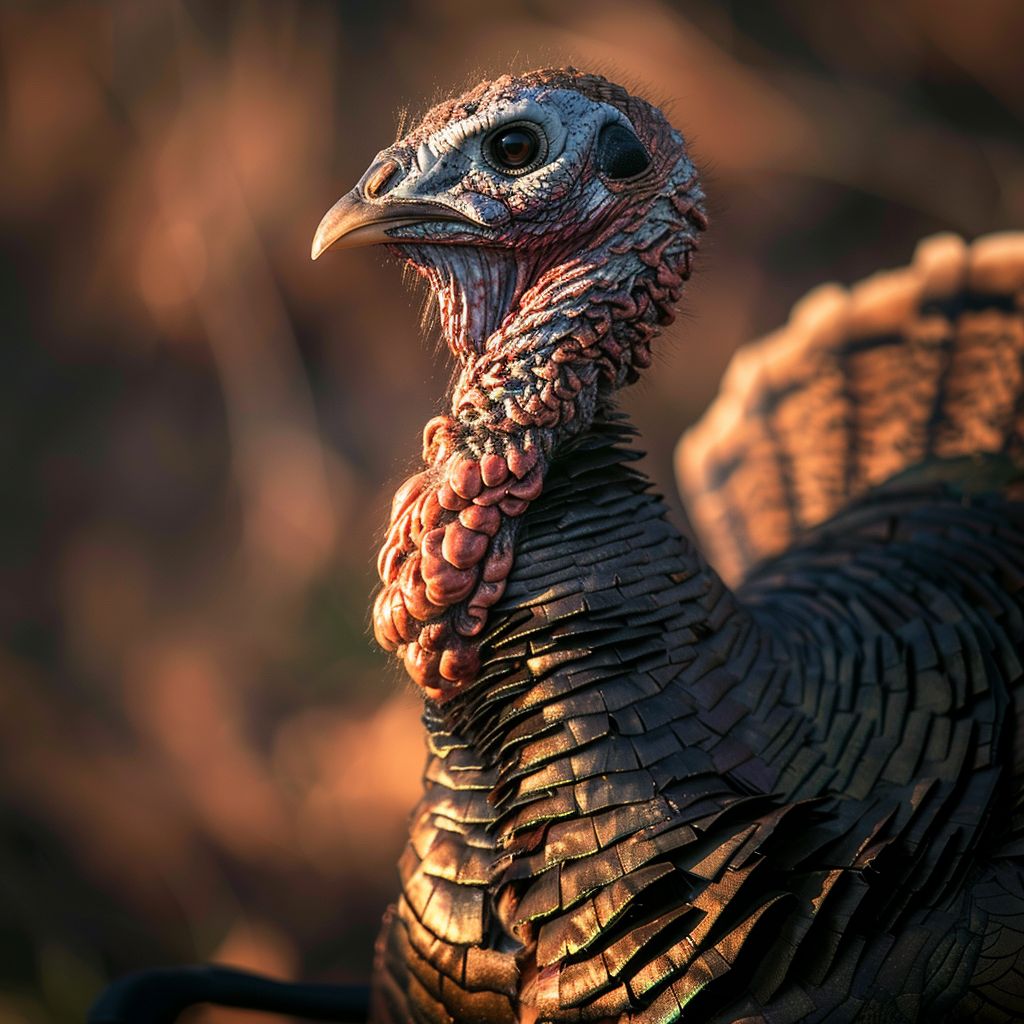

Timing is Everything: Your Ultimate Guide to Turkey Hunting
Welcome to the wild world of turkey hunting, where timing is not just crucial—it’s everything! Whether you’re a seasoned hunter or a curious newbie, knowing how to time your turkey hunt can be the difference between a successful day in the woods and a long drive home with your favorite snacks as your only companions. In this comprehensive guide, we’ll explore the ins and outs of turkey hunting timing, from the *best times of day* to hunt to the *tactics* that will help you call in those wily birds. So grab your binoculars, a comfy chair, and let’s dive into this adventure! 🦃✨
Why You’ll Love Turkey Hunting
Turkey hunting is not just a means to fill your freezer; it’s an experience that can bring joy and laughter. Here are some reasons why you’ll fall head over heels for this outdoor adventure:
- Connect with Nature: Immerse yourself in the beauty of the great outdoors while enjoying the fresh air and stunning landscapes.
- Friends and Family: Gather your favorite people for a fun-filled day of camaraderie and shared stories around the campfire.
- Delicious Rewards: There’s nothing quite like the taste of a home-cooked turkey dinner after a successful hunt.
- Skill Development: Hone your patience, observation skills, and marksmanship while enjoying the thrill of the chase.
- Unpredictable Fun: Turkey hunting is full of surprises, from unexpected encounters with wildlife to the joy of perfecting your call.
Essential Gear for Turkey Hunting
Before you head out, make sure you have the essential gear ready. Here’s what you need to pack:
- Hunting License: Always check local regulations and ensure you have the proper licenses before you hit the woods.
- Turkey Call: A quality turkey call is essential for attracting birds; it can be a box call, diaphragm call, or slate call—go with what feels right!
- Camouflage Outfit: Blend in with your surroundings to avoid spooking the birds; choose a pattern that matches your hunting environment.
- Binoculars: Spotting turkeys from a distance can help you plan your approach; a good pair of binoculars is a must.
- Hunting Blind or Chair: Stay concealed and comfortable while you wait for the perfect shot.
- Turkey Decoy (Optional): Use a decoy to lure in curious turkeys; it can be a game-changer in a hunt.
- Notebook: Track your hunting experiences, turkey sightings, and patterns for future reference.
- Watch or Timer: Keep an eye on the time, as turkeys are most active during specific hours of the day.
Mastering Your Turkey Hunting Timing
Understanding when to hunt is key to success. Here are some insights to help you nail that perfect timing:
Early Morning Magic
Most hunters agree that the early morning is the golden hour for turkey hunting. Here’s why:
- Active Birds: Turkeys are most vocal and active during dawn as they fly down from their roosts.
- Strategic Advantage: Arriving before sunrise allows you to set up quietly and observe turkey activity without being detected.
- Perfect Conditions: Early mornings often provide calm winds and lower temperatures, making it easier for turkeys to hear your calls.
Late Afternoon Opportunities
Don’t overlook the late afternoon! As the day winds down, turkeys can be surprisingly active:
- Feeding Patterns: Turkeys often head back to their roosts, making this a prime time to catch them on the move.
- Less Competition: Fewer hunters are out during the afternoon, giving you an edge in your hunting spot.
- Last-Minute Calls: Use your calls to bring in any stragglers that might be wandering back to their roosts.
Pro Tips for a Successful Turkey Hunt
Ready to elevate your turkey hunting game? Here are some expert tips to keep in mind:
- Scout Your Area: Before the season, take time to explore the hunting area and identify turkey travel routes and roosting spots.
- Practice Your Calls: Spend time mastering your turkey calls; the better you sound, the more likely you are to attract birds.
- Stay Quiet: Turkeys have excellent hearing; minimize noise when moving and setting up your gear.
- Be Patient: Waiting quietly can be the toughest part, but it often pays off when you see the birds coming your way.
- Adapt and Overcome: If your chosen spot isn’t producing, don’t hesitate to change locations; flexibility can lead to success.
- Monitor the Weather: Turkeys react to weather changes; overcast days can sometimes lead to increased activity.
- Stay Concealed: Use natural cover and your camouflage effectively; the better you blend in, the more likely you are to succeed.
- Track Your Progress: Keep a notebook to log your hunts, noting what worked and what didn’t for future reference.
Avoiding Common Mistakes
Even seasoned hunters can stumble! Here’s how to dodge some common pitfalls:
- Ignoring the Wind: Always be aware of wind direction; turkeys can smell you before they see you!
- Overcalling: Too much calling can scare turkeys away; use your calls sparingly and strategically.
- Rushing Your Shot: Wait for the right moment; don’t take a shot unless you’re sure of your target.
- Not Being Prepared: Always double-check your gear before heading out to avoid surprises in the field.
Variations in Turkey Hunting Techniques
Every hunting experience can be different! Here are some techniques and variations to keep your hunting fresh and exciting:
- Spot and Stalk: Instead of waiting in one spot, move quietly through the woods to locate and approach turkeys.
- Decoying: Use a variety of decoys to attract turkeys; sometimes a lone hen works better than a full flock.
- Calling Techniques: Experiment with different calling techniques, like yelping or purrs, to see what the turkeys respond to best.
- Hunting with a Buddy: Team up with a friend; one person can call while the other stays alert for incoming birds.
Storage and Make-Ahead Instructions
If you’re lucky enough to bag a turkey, here’s how to handle your bounty:
- Field Dressing: Always field dress your turkey as soon as possible to ensure freshness.
- Storage: Store the turkey in a cool place; if you’re not cooking it right away, freeze it for later use.
- Marinating: Consider marinating your turkey overnight for maximum flavor before cooking.
Frequently Asked Questions
Got questions? We’ve got answers! Here are some of the most common inquiries about turkey hunting:
- What is the best time of year for turkey hunting? The spring season typically offers the best hunting opportunities when turkeys are most active.
- How can I improve my calling techniques? Practice regularly and consider listening to recordings of realistic turkey calls.
- What should I wear for turkey hunting? Wear camouflage clothing and consider layering for comfort and warmth.
- Can I hunt turkeys alone? Yes, many hunters prefer solo hunting, but it’s always safer to have a buddy.
- What type of shotgun is best for turkey hunting? A 12-gauge shotgun is popular among turkey hunters, but 20-gauge can also be effective.
- Are turkey decoys necessary? While not necessary, decoys can significantly increase your chances of attracting turkeys.
- How do I know if a turkey is in the area? Listen for gobbling sounds during the morning and look for tracks or droppings.
- What should I do if I miss a turkey? Stay calm, analyze what went wrong, and adjust your approach for the next opportunity!
Final Thoughts: Embrace the Adventure!
Turkey hunting is an exhilarating experience that combines patience, skill, and a healthy dose of fun. Remember, whether you’re successful or not, the journey is what makes it all worthwhile. So gear up, get out there, and embrace the adventure! And who knows? You might just have a new favorite recipe to try with your prized turkey! Happy hunting! 🍂🦃
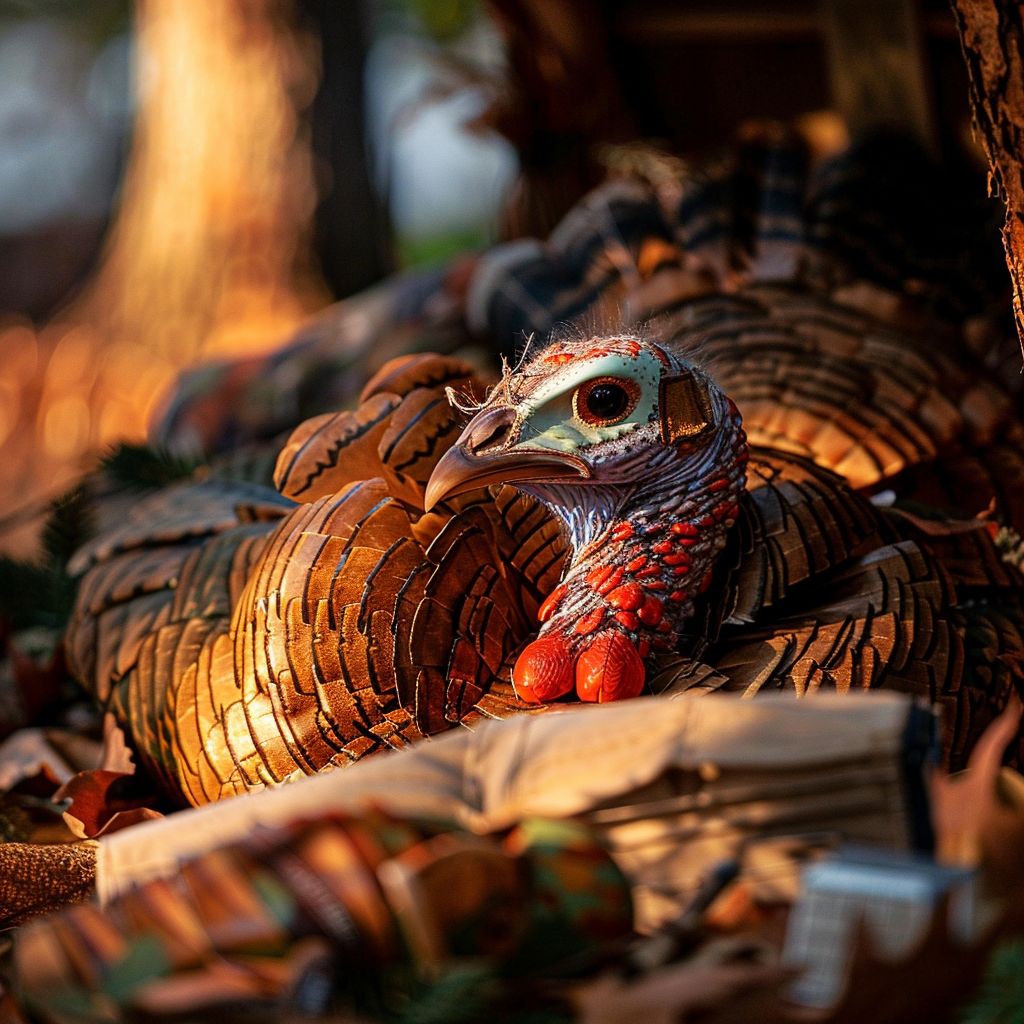

TIMING IN TURKEY HUNTING
Ingredients
Method
- Research turkey season dates and scout the area.
- Set up your blind quietly before dawn.
- Use the turkey call at dawn to attract turkeys.
- Monitor the time and turkey activity closely.
- Be patient and wait for a clear shot.
- Track your hunting time and adjust as needed.
Notes
Loved this recipe? Save it to your favorite Pinterest board so you can easily find it later! ✨